
Timing Before Music
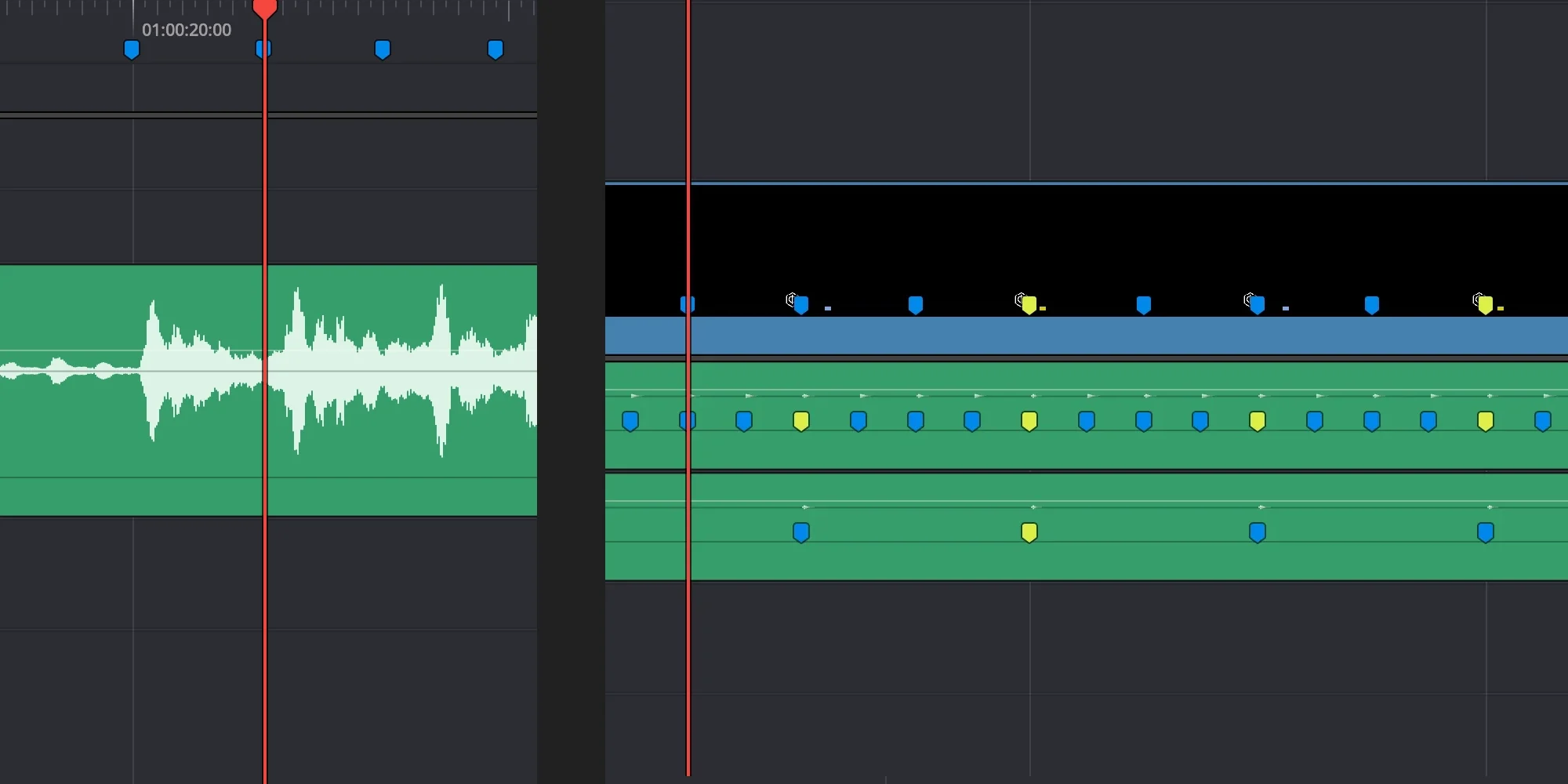
Music is powerful.
But when music becomes the structure of an edit, it often creates problems rather than solving them.
This article explains why timing should come before music, how editors accidentally reverse the order, and how ClearCue™ is designed to support a timing-first workflow.
The Common Habit
Many edits begin like this:
Drop in music
Cut to the beat
Adjust pacing until it “feels right”
This feels efficient — especially early in a project.
But it quietly hands control of structure to the music.
What Music Is Good At
Music excels at:
Mood
Emotion
Energy
Atmosphere
Emphasis
Music amplifies an edit.
It does not define visual structure well on its own.
What Structure Actually Is
Structure is:
Shot duration
Information density
Rhythm of cuts
Breathing space
Visual emphasis
Structure exists even in silence.
If an edit doesn’t work without music, it usually isn’t finished - it’s masked.
Why Music-First Editing Causes Problems
When music arrives too early:
Cuts become reactive
Timing decisions feel rushed
Editors over-cut to stay “on beat”
Music becomes hard to change later
Cognitive load increases
The edit starts serving the music instead of the story.
The Illusion of Speed
Music-first editing feels faster.
But it often causes:
Re-cuts when music changes
Compromised pacing
Long tuning sessions
Fatigue
What felt like speed becomes friction.
Timing Without Music Is Not Silence
Timing-first does not mean editing in silence.
It means using a neutral timing reference instead of a musical one.
ClearCue provides:
Consistent pacing information
Frame-accurate timing pulses
A repeatable rhythm grid
This allows structure to emerge before emotional colour is added.
Why ClearCue Comes Before Music
ClearCue is designed to:
Reveal timing without aesthetic bias
Support structure-first decisions
Allow music to be swapped freely later
It does not replace music.
It protects the edit from being locked too early.
What Happens When Timing Comes First
Editors report:
Faster structural decisions
Fewer re-cuts
Easier music swaps
Lower mental load
Clearer pacing intuition
Music becomes an enhancement, not a constraint.
Music as a Second Dimension
Once structure is solid:
Music adds emotional contour
Music reinforces rhythm instead of defining it
Multiple tracks can be tested safely
Pacing holds under different moods
This is why one edit can support multiple tracks.
Why This Matters for Real Work
In professional workflows:
Music often arrives late
Music changes frequently
Stakeholders request alternatives
Delivery formats vary
Timing-first editing survives these realities.
Music-first editing struggles.
What Timing Before Music Is Not
It is not:
Anti-music
Anti-emotion
A rigid system
A stylistic rule
It is a sequencing principle.
In Practice
A timing-first workflow looks like this:
Establish structure
Refine pacing
Confirm clarity
Introduce music
Tune, not rebuild
ClearCue exists to support step one.
Summary
Music should enhance an edit - not carry it.
When timing comes first:
Structure stabilises
Choices become intentional
Music becomes flexible
ClearCue makes this possible by making time visible.
Design timing first.
Let music follow.
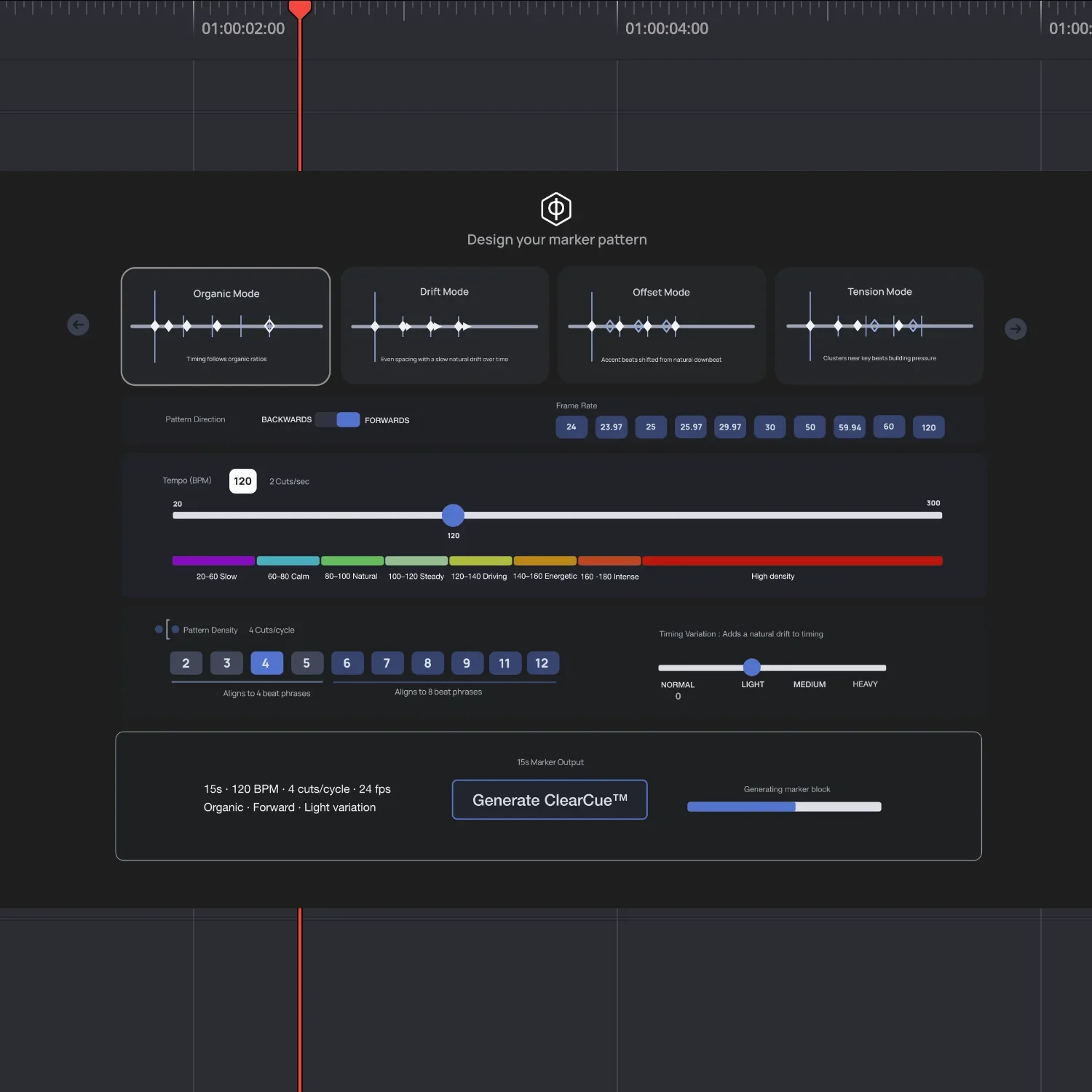
Create Your Own Marker Patterns
Define timing before you edit.
Generate frame-accurate marker patterns using tempo, time signature, and subdivision.
Use them as a reference layer in your timeline to establish structure before working with audio.
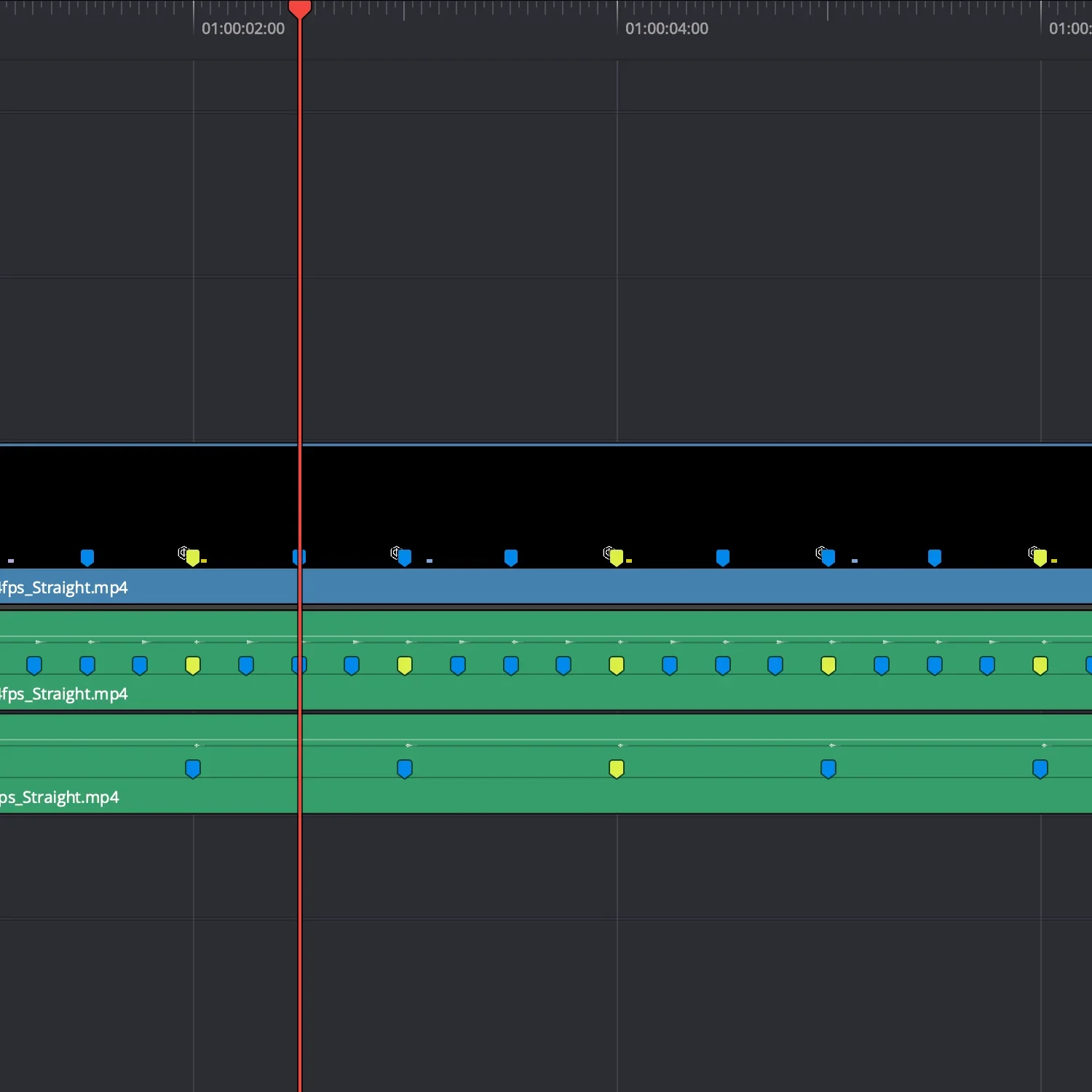
Try Free Markers
Download a set of simple timing markers.
Use them to:
place cuts without guessing
test pacing quickly
establish structure before adding music